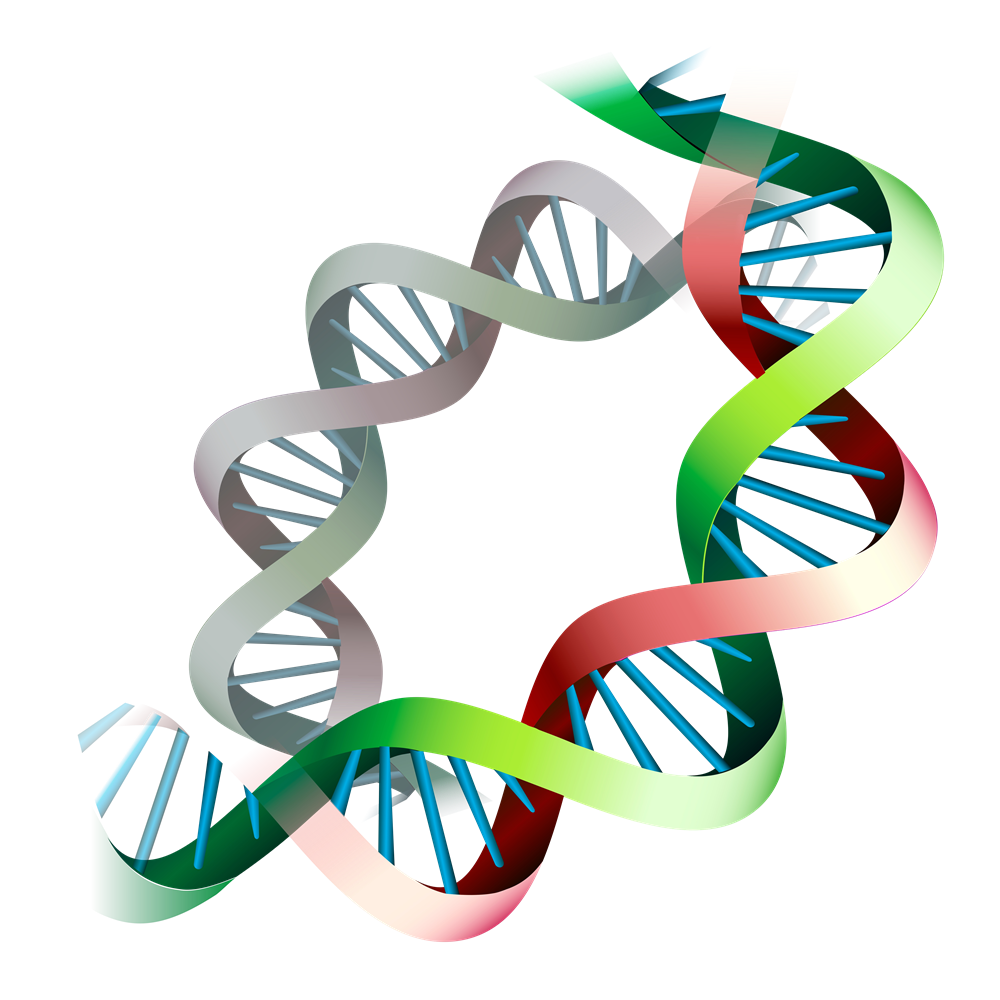
What is DNA? DNA contains the genetic code for all life. Imagine DNA like the blueprint of a ship. The construction of each ship has the same basic requirements to sail on a body of water, but each one may have a unique color, size, design, strengths and weaknesses....
In the 1970s and 1980s, about 1 in 2,000 children had autism. In 1994, it was 1 in 150. Today, 1 in 68 has autism and 1 in 6 in the US has a developmental disability. The first born boys have the highest risk. That is a dramatic epigenetic change. Is autism a...
The Genetic Clues to Longevity In the book, The Blue Zones, National Geographic Explorer Dan Buettner and a team of researchers studied the lifestyle and dietary habits of the world’s longest-lived people in Sardinia, Italy; Loma Linda, California; Nicoya, Costa Rica;...
According to David Williams, principal investigator for the Linus Pauling Institute at Oregon State University, “DNA expression can be altered at any age, but the fetus is especially susceptible because these pathways are very active as tissues grow and...
In the article, The Most Effective Strategies for Alzheimer’s Disease and APOE, we discussed how to positively influence the APOE gene. In this article, we are going to explore the influence of choline and the PEMT gene, and how a choline deficiency relates to...
The Nutrition Genome Report looks at multiple genes involved in folate metabolism. which is one of the most relevant parts for fertility and pregnancy. Is the MTHFR gene connected to infertility? Let’s take a look. The MTHFR Gene and Infertility: The Research...
A study came out in 2015 that was able to show how vitamin C can epigenetically reprogram melanoma cells. While this study uses a lot of complicated jargon, I will attempt to simplify it. Why We Have a High Vitamin C Requirement Approximately 99% of animals produce...
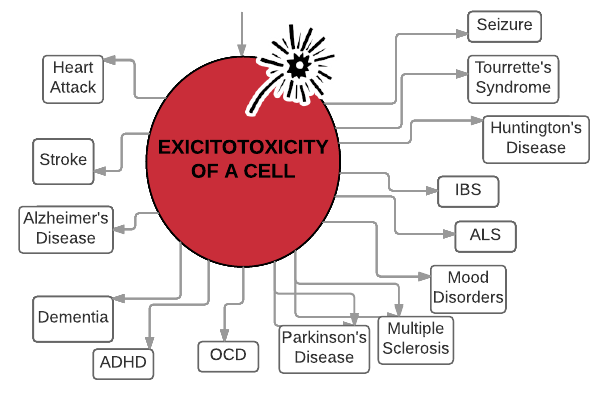
Glutamate is an excitatory neurotransmitter, helping focus, cognitive function, and productivity. GABA is the brake, providing a calming respite from glutamate. When there is an imbalance of glutamate being too high, it becomes neurotoxic, whereas glutamate levels...
What is the PEMT Gene? PEMT stands for phosphatidylethanolamine N-methyltransferase. That is quite a word! This gene encodes an enzyme which converts phosphatidylethanolamine to phosphatidylcholine by methylation in the liver. Methyltransferases control methylating...
What is the PON1 Gene? Paraoxonases (PON1) are a family of enzymes involved in breaking down chemicals including several types of pesticides and pharmaceutical drugs. They are involved in protecting both high and low-density lipoproteins from oxidation, an important...
What is Epigenetics? Epigenomics is the study of the complete set of epigenetic (chemical) modifications on the genome that can modify DNA instructions, turning on and off genes, or control the production of proteins. These modifications occur when chemical compounds...
What is the FUT2 Gene? Variants in the FUT2 gene (fucosyltransferase 2) may impact B12 absorption and the production of prebiotics. Prebiotics help support the colonization of probiotics. Research on the FUT2 Gene Genome-wide association studies have recently...