The APOA2 Gene, Saturated Fat and Weight Gain The APOA2 gene contains instructions for making a protein called apolipoprotein A-II, which is found in high-density lipoprotein (HDL) cholesterol particles. The role of apolipoprotein A-II in the body’s response to...
Multiple genes determine whether certain types of dairy are beneficial or detrimental. These genes typically relate to lactose intolerance or saturated fat intake. We know that APOE-e4 is a hyper-responder to higher saturated fat intake, leading to increased...
How much of longevity is genetic? Previous estimates suggested that 20-25% of lifespan is explained by genetics, but were flawed by not distinguishing between deaths driven by cellular health and deaths compared to deaths by accidents or infections. The latest...
Mycotoxins are toxins produced by fungi belonging to Aspergillus, Penicillium and Fusarium. The most common mycotoxins that present a concern to human health and livestock include aflatoxins, ochratoxin A, patulin, fumonisins, zearalenone, and...
Depression and anxiety have numerous genetic pathways and epigenetic influences that may be the root cause. This unknown can make it challenging to narrow down the best protocol for each individual. With the Nutrition Genome Report, we have a comprehensive Mental...
In the Nutrition Genome Report, a new gene was added in November 2021 called MTNR1B. This gene encodes for the melatonin receptor 1B. In humans, melatonin release starts soon after sundown, peaks between 2 am and 4 am, and decreases gradually. However, in...
Mental Health Awareness Month is observed in May to increase the awareness of those struggling with mental health. Each week this month, we will be exploring how to use the Nutrition Genome Report for mental health. APOE is one of the most compelling genes due to...
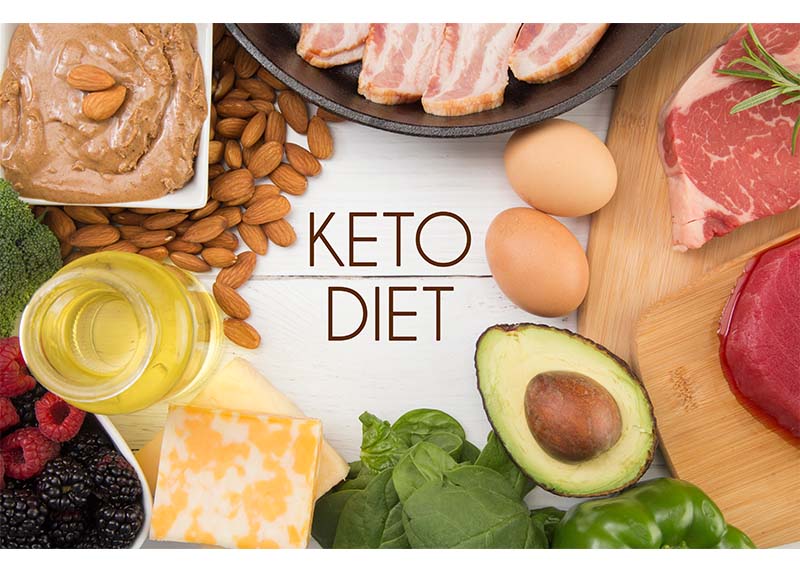
Over the last few years, a lot of interest and research has gone into the possibility that the ketogenic diet can be beneficial for Alzheimer’s disease prevention or treatment. We wanted to give you a review of what the current research says about...
Few topics in the medical world have created more controversy and conflicting opinions than the subject of cholesterol. Views on saturated fat and dietary cholesterol have oscillated since the Ancel Keys 7 Countries Study in 1958, which led to an overhaul in dietary...
The health benefits of coffee are well documented in numerous published studies. The positive actions are often due to polyphenols like chlorogenic acid, caffeic acid and the diterpenes cafestol and kahweol, not necessarily the caffeine. Many studies find a negative...
Have you ever wondered about the effect of community on health? Throughout the health research literature of places like the Blue Zones and other anomalies, we find one very consistent pattern: community. The Roseto Mystery: The Effect of Community on Health In the...
Researchers today consider physical fitness to be the single best predictor of life expectancy and healthspan. The common thread among all of us is that we are designed to move all day. It is estimated that our ancestors over millions of years accumulated 14,000 to...