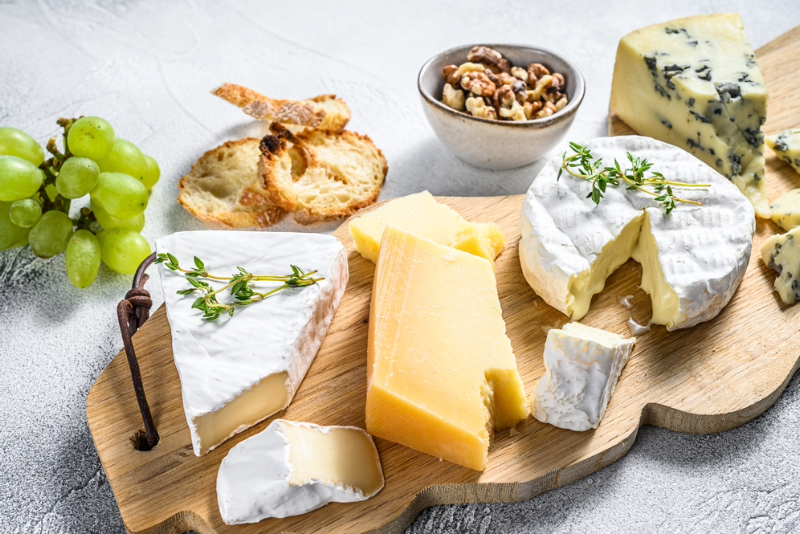
Multiple genes determine whether certain types of dairy are beneficial or detrimental. These genes typically relate to lactose intolerance or saturated fat intake. We know that APOE-e4 is a hyper-responder to higher saturated fat intake, leading to increased cholesterol levels, which means e4 carriers most likely benefit from minimizing or avoiding dairy.
In terms of dementia risk, there is more convincing evidence that dairy is unlikely to benefit e4 carriers, but it is likely to benefit e2 and e3 carriers. Since APOE-e4 has the greatest impact among those with northern European ancestry, these two studies provide strong evidence for the findings.
In 2022, a study in 1,259 Finnish men found that a higher intake of non-fermented dairy was associated with an increased risk of dementia in e4 carriers over a 5-year period. However, the risk was not found with fermented dairy intake. APOE e2 and e3 carriers had a 28% lower dementia risk with higher cheese intake.
A recent 2025 study following 28,000 Swedish people over 25 years confirmed the pattern. During that time period, 3,200 people developed dementia. Those who ate 1.7 ounces or more of high-fat cheese per day were 13% less likely to develop dementia than those who ate ½ an ounce or less daily. However, APOE-e4 carriers did not see any protective benefit.
Hit your health goals faster
We'll help you remove the guesswork
Experience the most advanced nutrigenomic test available, covering 100 clinically relevant genes for a "whole body" analysis. Take control of your health today.
$359